 An independent guide to Ha Long Bay, Lan Ha and Bai Tu Long
The bays · Ha Long Bay
Ha Long Bay: the famous caves, and the boats that come with them
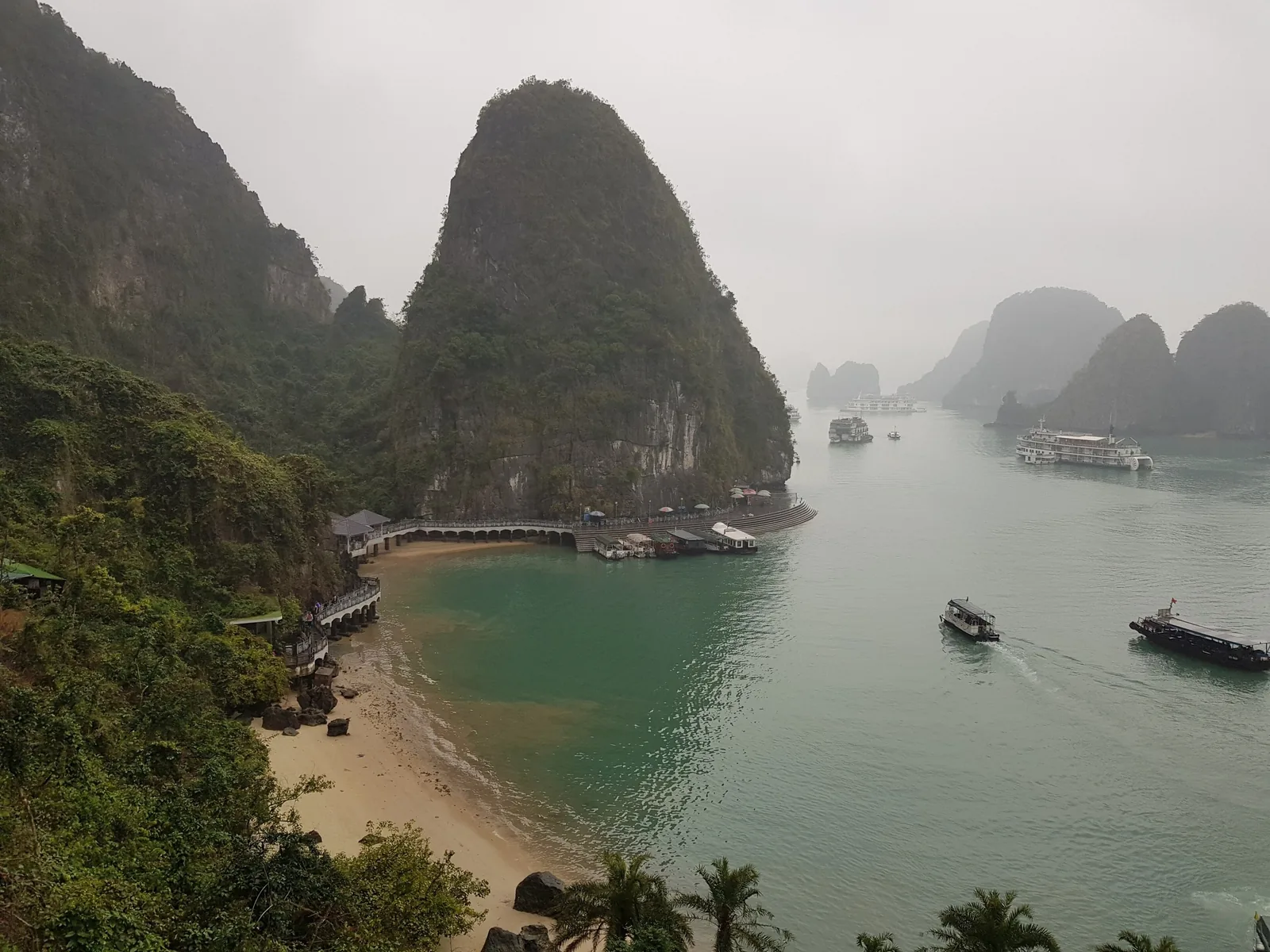
Ha Long Bay is the core of the region: the numbered sightseeing routes, the large caves and the island with the viewpoint everyone photographs. It is also where boat traffic is heaviest, and planning around that changes the day more than anything else.
At a glance
- Province
- Quang Ninh
- Time on the water
- 3 to 8 hours, or 1 night
- Day entry fee
- 200,000–250,000 VND
- Main piers
- Tuan Chau, Bai Chay
- Drier, clearer months
- April–June, October–November
- Storm season
- May–November
What Ha Long Bay is really like
The scale is real. Ha Long Bay covers about 1,553 square kilometres and has 1,969 islands and islets, around nine in ten of them limestone; the core heritage zone alone holds more than 770. UNESCO first listed the bay in 1994 for its scenery and again in 2000 for its geology. From the water the effect is of walls of rock opening and closing as the boat moves, with caves cut into the bases of the towers.
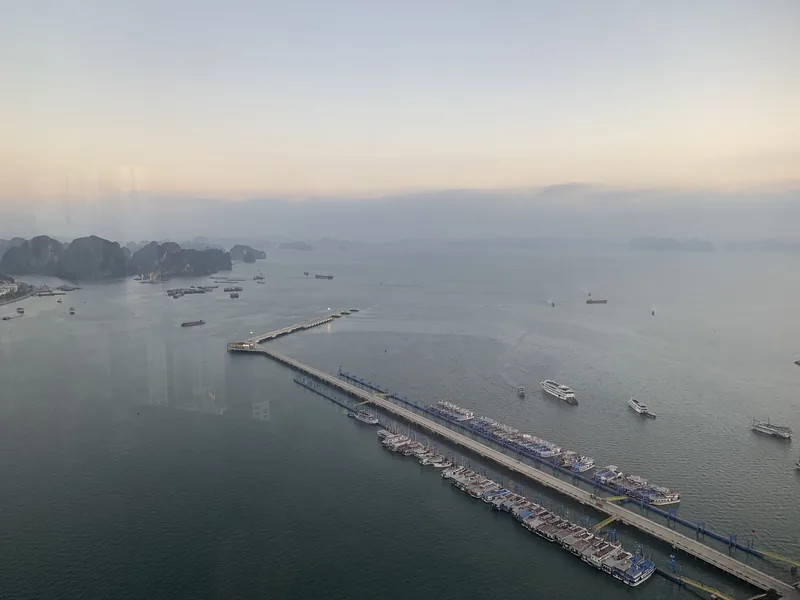
So is the traffic. In 2026 there were 487 tourist boats registered on Ha Long Bay, 369 of them in service, including 268 sightseeing boats and 97 boats with cabins. Most of them use the same few routes from the same two piers, and they arrive at the same caves within the same hours. At Ti Top, one stepped path serves people going up and coming down, and it jams when several boats land together. At Sung Sot the cave is large enough to absorb a crowd, but the landing stage is not.
None of this makes the bay a poor choice. It means that timing, route and the size of your boat matter more here than in the quieter bays. An early start, a route other than the two most popular, or a night aboard that reaches the islands after the day boats have turned back all change the experience.
Sources: Vietnam News Agency — Ha Long Bay–Cat Ba Archipelago, a world natural heritage; Ha Long Bay Management Board — titles of Ha Long Bay; Dan Tri International — Ha Long Bay's tourist fleet in 2026; Local Vietnam — Ti Top Island guide (independent guide) · last checked .
The routes, in brief
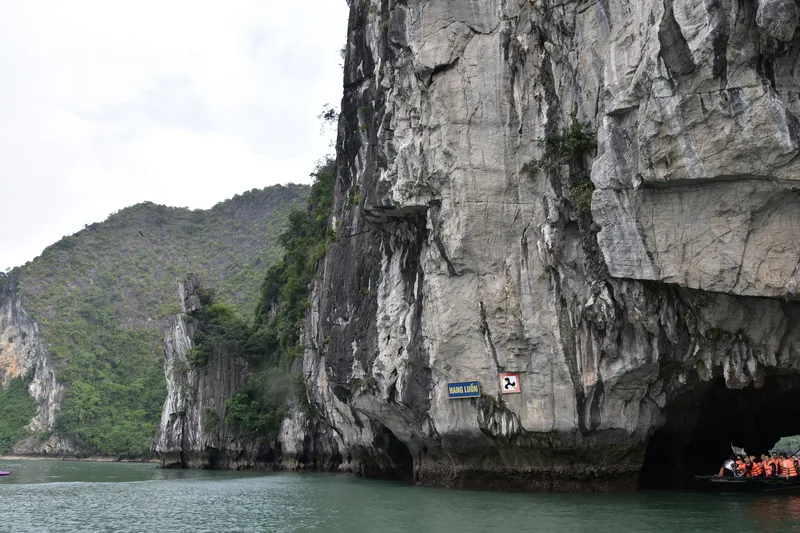
Boats on Ha Long Bay do not wander: each trip is licensed for a numbered route, and your ticket is for that route. Since May 2025 the routes have been called VHL1 to VHL8. The two classics are VHL1, for Thien Cung and Dau Go caves and the islets near them, in about three to four hours, and VHL2, for Sung Sot Cave, Ti Top Island and Luon Cave, in about five to six hours. VHL3 goes to Cua Van floating village, VHL4 heads towards Vung Vieng and the Bai Tu Long side, and VHL6 links Ha Long Bay with Gia Luan and Lan Ha Bay.
The full list, with the sites on each route and the fee for each, is on the routes and fees page. Access notes for the caves and islands themselves, including steps and closures, are on the caves and islands page.
Sources: Ha Long Bay Management Board — fees for three added routes, Resolution 51/2025/NQ-HĐND; Green SM — Ha Long Bay ticket guide (commercial, July 2025); Sun Paradise Land — Ha Long Bay routes and ticket prices (attraction operator) · last checked .
How long to spend
As a planning estimate, a single day route is enough to see the bay properly if you choose the route for what you want: VHL1 for caves, VHL2 for the viewpoint and a swim, VHL3 or VHL4 for floating villages and fewer boats. Allow a whole day from Hanoi, since the road takes two to two and a half hours each way and boarding, the route and disembarking take most of the middle.
One night aboard adds the hours that make the bay quieter: late afternoon after the day boats leave, and early morning before they arrive. It also allows kayaking time and a second area. Two nights suit people who want to reach Lan Ha or Bai Tu Long as well. More than that tends to repeat itself unless you add Cat Ba Island on land.
A half-day is possible if you are already staying in Ha Long city. Under that, from Hanoi, most of the day is on the road; the expressway made the journey shorter, not short.
When to go
The climate data cited here show two clear windows. April to June brings warm air, sea temperatures rising from about 23°C to 29°C and longer sunshine. October and November are warm and drier, with average rainfall falling from about 119 mm to 55 mm a month. December to March is cool, with highs around 20°C in January and February and two to three hours of sunshine a day, so mist often softens the views.
July to September is the wettest period, with August averaging about 312 mm of rain, and the heart of the storm season. In those months the question is less whether it rains than whether the port is open. Storms in June, July and September 2025 all led to boats being held in port or called back. Read the month-by-month page before you choose dates.
Sources: weather2travel — Ha Long Bay monthly climate averages (CRU and Met Office data); UK Foreign Office — Vietnam safety and security; Ha Long Bay Management Board — permits suspended for Storm Wutip, June 2025; Tuoi Tre News — tourist boats barred from departing ahead of Typhoon Wipha; Vietnam News Agency — Quang Ninh halts vessel permits as Typhoon Ragasa nears · last checked .
Getting there
Almost every trip starts in Ha Long city. Day boats and many overnight boats leave from Tuan Chau International Passenger Port, on Tuan Chau Island about 12 km west of the centre; others leave from Ha Long International Cruise Port at Bai Chay, close to the Sun World complex. From Hanoi the usual road is the expressway through Hai Phong, about two to two and a half hours by car. Buses and limousine vans run through the day, many from offices in the Old Quarter direct to Tuan Chau or Bai Chay.
Van Don International Airport, about 50 km from Ha Long, opened in 2018 and has limited domestic routes. Most international visitors fly into Hanoi. The getting there page compares buses, vans, private cars and the piers.
Sources: Green SM — Ha Long Bay ticket guide (commercial, July 2025); Halong Bay port guide (published by a cruise company); Sun Paradise Land — Hanoi to Ha Long distance and routes (attraction operator); Baolau — Hanoi to Ha Long bus and van timetable search (booking site); Wikipedia — Van Don International Airport · last checked .
Rough costs
| Item | Cost | Note |
|---|---|---|
| Entry fee, VHL1, VHL2, VHL5 | 250,000 VND per person | Day route; set by provincial resolution |
| Entry fee, VHL3, VHL4 | 200,000 VND per person | Day route |
| Port passenger fee | About 60,000 VND | Reported for Tuan Chau; charged with the ticket |
| Overnight entry fee | About 500,000–750,000 VND | Depends on route and number of nights |
| Shared day boat (boat only) | About 150,000–200,000 VND | Reported range on routes 1 and 2; meals extra |
| Bus or van from Hanoi, one way | About 120,000–420,000 VND | Large bus at the low end, van at the high end |
These are public fees and reported ranges, not prices for sale. Package day trips from Hanoi bundle transport, boat, lunch and fees; overnight trips vary widely with boat and cabin. Check before you go.
Sources: Ha Long Bay Management Board — fees for three added routes, Resolution 51/2025/NQ-HĐND; Báo Văn hóa — Quảng Ninh ends the 50% ticket discount (June 2022); Green SM — Ha Long Bay ticket guide (commercial, July 2025); Sun Paradise Land — Ha Long Bay routes and ticket prices (attraction operator); Vinpearl — Hanoi to Ha Long by bus (resort group guide); Baolau — Hanoi to Ha Long bus and van timetable search (booking site) · last checked .
Pictures




Who should skip Ha Long Bay, and when not to go
- If the main thing you want is a quiet bay with few other boats: Bai Tu Long is closer to that.
- If you want to spend the day swimming and kayaking: Lan Ha has more small beaches and more open water.
- If your only free days fall in a storm warning. Authorities stop departures, and a rescheduled trip at short notice is often impossible on a tight itinerary.
- If anyone in your group cannot manage steps: Ti Top has about 400 to 450, and the caves involve climbs to the entrance.
- On Vietnamese public holidays and summer weekends, if you can choose: the piers and caves are at their busiest.
Common questions
Questions readers ask
Which Ha Long Bay route has Sung Sot Cave and Ti Top?
Route VHL2, formerly route 2. It usually takes about five to six hours and also includes Luon Cave.
How many hours do I need on Ha Long Bay?
Three to four hours for route 1, five to six for route 2, six to eight for routes 3 to 5. One night aboard adds the quieter early morning and evening.
Is Ha Long Bay too crowded?
The main caves and Ti Top are busy in the middle of the day. Starting early, choosing a less used route or staying overnight reduces the crowding noticeably.
Are the entrance fees included in tours?
Usually, in package tours from Hanoi, but not in every case. Ask whether the bay entry fee and the port fee are included before you pay.
Related
Read next

Understand the bays
Caves and islands
Access notes for Sung Sot, Thien Cung, Ti Top, Cua Van and Vung Vieng: routes, steps and crowds.
Read more
Plan the visit
Routes and fees
The official sightseeing routes on Ha Long Bay, the sites on each, and the fee for each route.
Read more
Choose a trip
Day or overnight
The trade-offs between a day trip and a night aboard, and a checklist of questions for any boat.
Read more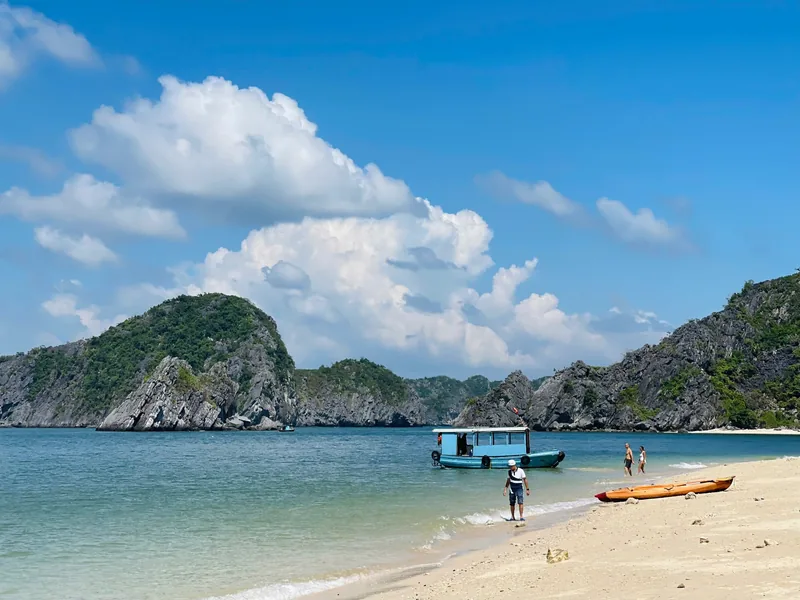
The bays · Lan Ha Bay
Lan Ha Bay
The bay beside Cat Ba: beaches, kayaking status, getting there, seasons, costs and when to skip it.
Read more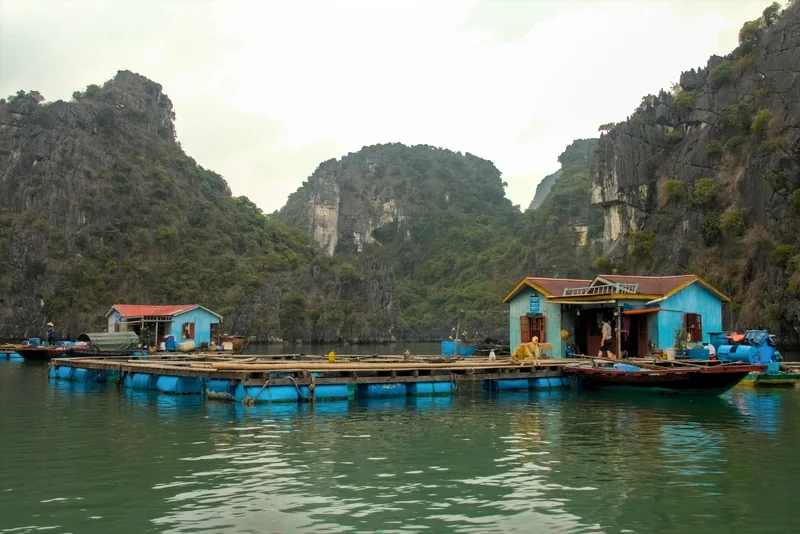
The bays · Bai Tu Long Bay
Bai Tu Long Bay
The quieter bay to the north-east: Vung Vieng, the national park, piers, seasons, costs and when to skip it.
Read more
The bays
The bays
How Ha Long Bay, Lan Ha Bay, Bai Tu Long Bay and Ha Long city fit together, side by side.
Read more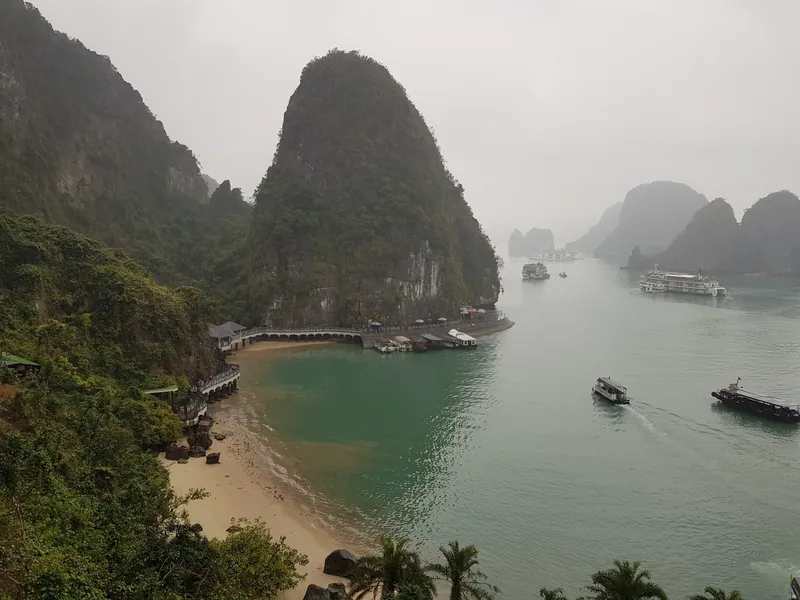
Start planning
Send a correction or a question
Tell us which page you mean, what you found, and when. A link to an official notice or a photo of a ticket helps us check it quickly.