 An independent guide to Ha Long Bay, Lan Ha and Bai Tu Long
The bays · Bai Tu Long Bay
Bai Tu Long Bay: the same rock, fewer boats
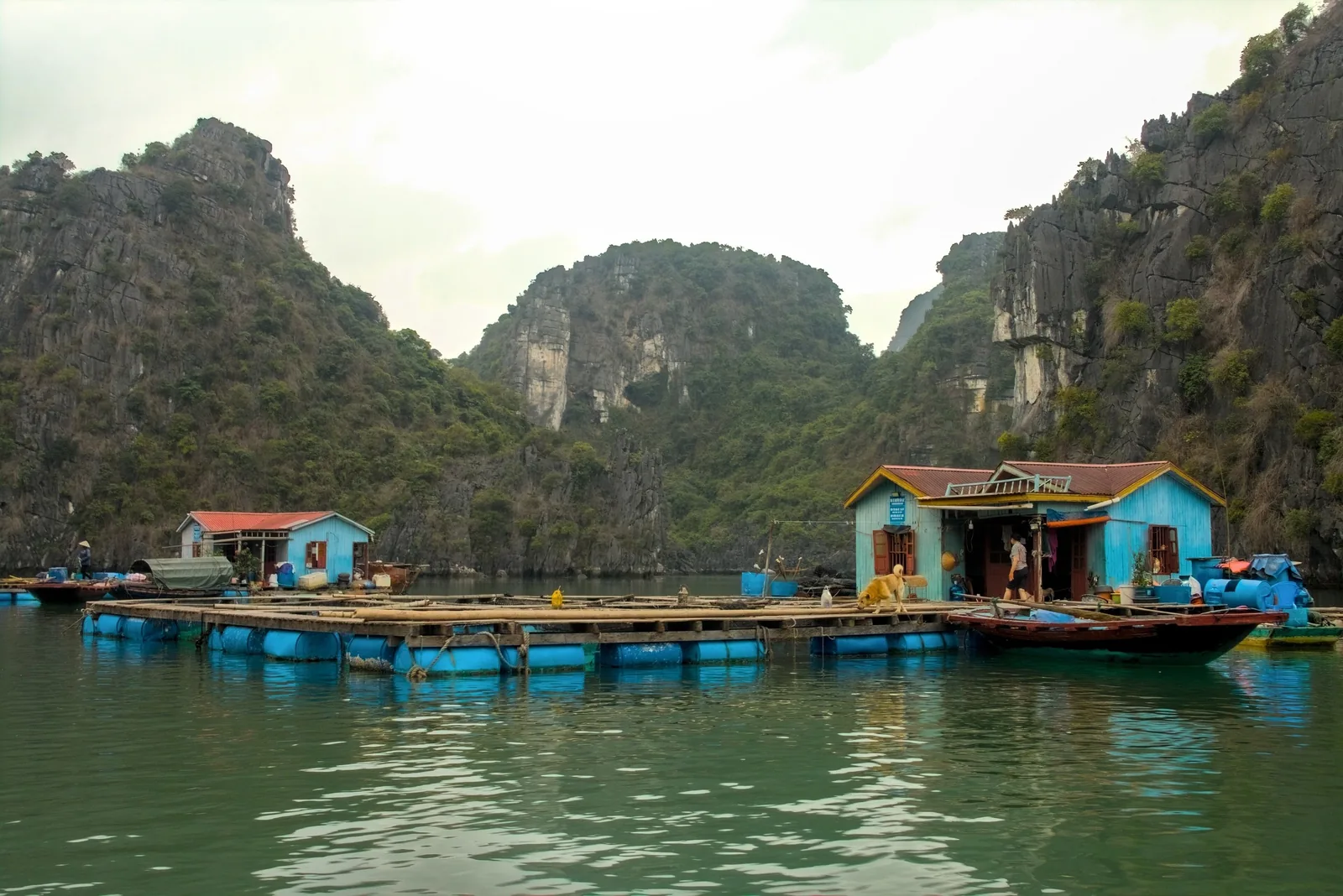
Bai Tu Long Bay continues the karst seascape north-east of Ha Long city towards Van Don. It has no caves as famous as Sung Sot, but it has more open water, a national park and a fishing village where people still farm fish.
At a glance
- Province
- Quang Ninh
- Nights
- 1 aboard
- Main piers
- Hon Gai, Bai Chay, Ao Tien
- National park
- Since 2001
- Calmer seas
- February–May, October–November
- Storm season
- May–November
What Bai Tu Long Bay is really like
Sources agree on one thing about Bai Tu Long: it has the fewest boats of the three bays. The sightlines are longer, the channels wider, and on an ordinary weekday you may have a lagoon to yourselves for a while. It still gets busy on holidays, and the boats you do meet are often on the same overnight pattern as yours.
What it lacks is the big names. There is no cave here on the scale of Sung Sot or Thien Cung, and the beaches are fewer than in Lan Ha. Its main sights are quieter: Vung Vieng fishing village, the lagoons and passages used for kayaking, and the islands of Bai Tu Long National Park, established in 2001 on 157.83 square kilometres, of which 96.58 are sea. The park has about 40 islands in three groups, Ba Mun, Tra Ngo and Sau. Part of it lies within the Ha Long Bay World Heritage area.
Further out lie the inhabited islands of Quan Lan and, beyond them, Co To, reached by ferry from Van Don. They are beach and island destinations in their own right and are outside the scope of this guide.
Sources: Vietnamtourism.com — Bai Tu Long Bay overview (commercial guide); Wikipedia — Bái Tử Long National Park; Local Vietnam — visiting Bai Tu Long National Park (independent guide) · last checked .
Vung Vieng, and what the national park allows
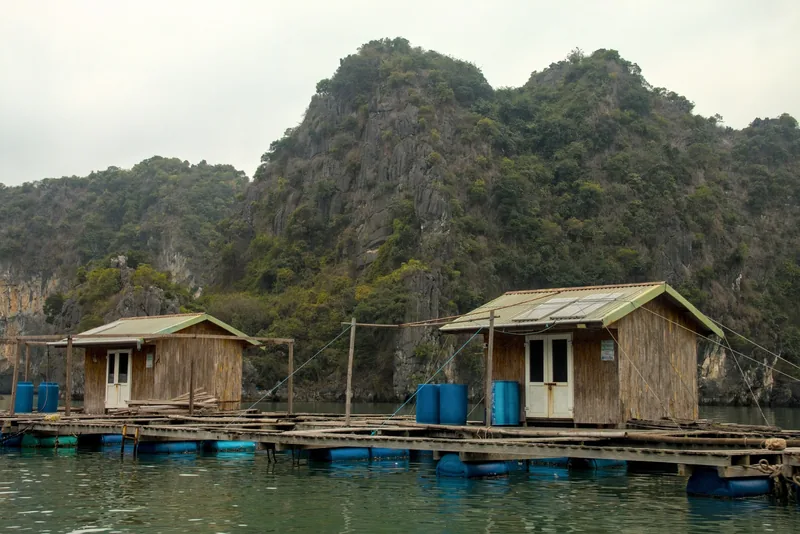
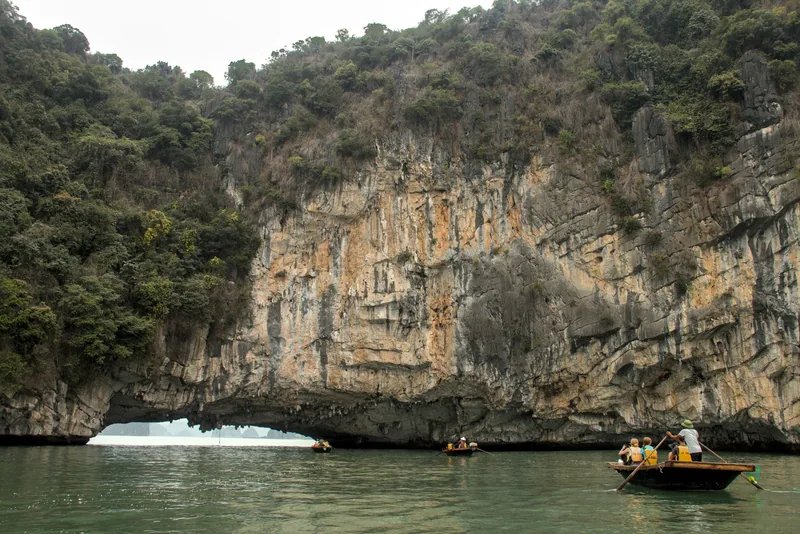
Vung Vieng lies inside the protected area of Bai Tu Long, about 20 km north-east of Tuan Chau. In 2014 its 100 households were moved to the mainland under a provincial decision; the 30 households that farm grouper, cobia, sea bass and pearls were allowed to stay in their floating houses. The village is entered through Cao Cave, a natural arch about 50 m wide. Visitors can be rowed round the village by a local, which takes about 40 to 45 minutes, or paddle a kayak. Keep your distance from the houses: people live and work there.
In the national park itself, standard boat trips sightsee from the water. Landing on Ba Mun, the forested core island, needs a private boat and permission from the park, and is not part of a normal itinerary.
Sources: Vietnam National Authority of Tourism, rural tourism portal — Vung Vieng fishing village; Viet Nam News — preserving old fishing villages in Hạ Long Bay (2023); Local Vietnam — visiting Bai Tu Long National Park (independent guide); Halong Bay kayaking guide 2025 (published by a tour company) · last checked .
How long to spend
As a planning estimate, one night aboard is the usual and sensible length. Bai Tu Long trips start further east than most Ha Long Bay trips, and the quieter areas are a longer cruise from the pier, so a day trip spends a larger share of its hours in transit. On Ha Long Bay, route VHL4 heads towards Vung Vieng and takes about six to eight hours as a day route.
Two nights make sense only if you want to combine Bai Tu Long with central Ha Long Bay, or continue to Quan Lan or Co To by ferry from Van Don.
Sources: Green SM — Ha Long Bay ticket guide (commercial, July 2025); Vietnamtourism.com — Bai Tu Long Bay overview (commercial guide) · last checked .
When to go
The calmer months are roughly February to May and October to November. From July to September storms bring rough seas and sailings are cancelled. Winter, from December to February, is cool and grey but reported to be when many foreign visitors come to Vung Vieng; the water is calm, though too cold for most people to swim.
Bai Tu Long boats fall under the same provincial permit suspensions as Ha Long Bay when a storm approaches, and the cruise from the pier is longer. Build a spare day into any trip between June and October. The month-by-month page has the figures.
Sources: Local Vietnam — visiting Bai Tu Long National Park (independent guide); Vietnam National Authority of Tourism, rural tourism portal — Vung Vieng fishing village; Vietnam News Agency — Quang Ninh halts vessel permits as Typhoon Ragasa nears; weather2travel — Ha Long Bay monthly climate averages (CRU and Met Office data) · last checked .
Getting there
Most overnight boats for Bai Tu Long leave from the eastern side of Ha Long city, from Hon Gai, or from Ha Long International Cruise Port at Bai Chay, which several sources report is increasingly used for Bai Tu Long departures. Day boats and the high-speed ferries to Quan Lan and Co To leave from Ao Tien in Van Don. Smaller local boats use Vung Duc in Cam Pha. Some piers are not next to any hotel, so confirm the meeting point before you travel.
From Hanoi the road distance is roughly 165 to 180 km depending on the pier, about two and a half to three and a half hours. Van Don International Airport is close to Ao Tien. Full transport details are on the getting there page.
Sources: Vietnamtourism.com — Bai Tu Long Bay overview (commercial guide); Halong Bay port guide (published by a cruise company); Wikipedia — Van Don International Airport · last checked .
Rough costs
| Item | Cost | Note |
|---|---|---|
| Ha Long Bay entry fee, route VHL4 | 200,000 VND per person | Day route towards Vung Vieng |
| Shared day boat, 4 to 6 hours | About 400,000–700,000 VND | Reported range; check what is included |
| Overnight trip, one night | About 2.5–7 million VND | Reported range from mid-range to boutique boats |
| Rowing boat round Vung Vieng | Varies | Often included in trips; confirm |
Ranges are reported prices from 2025 and 2026, not offers. Transfers, drinks and kayaks are often extra. Check before you go.
Sources: Ha Long Bay Management Board — fees for three added routes, Resolution 51/2025/NQ-HĐND; Báo Văn hóa — Quảng Ninh ends the 50% ticket discount (June 2022); Vietnamtourism.com — Bai Tu Long Bay overview (commercial guide) · last checked .
Pictures



Who should skip Bai Tu Long Bay, and when not to go
- If seeing Sung Sot Cave or the Ti Top viewpoint is the point of your trip: they are on the Ha Long Bay side.
- If you want a day trip from Hanoi with plenty of time on the water: Ha Long Bay's routes start closer.
- If swimming from beaches matters most: Lan Ha has many more coves.
- From July to September if your dates are fixed: storms bring rough seas and cancelled sailings.
- If you expect a traditional village untouched by tourism: Vung Vieng is a working fish-farming community that also hosts visitors every day.
Common questions
Questions readers ask
Is Bai Tu Long Bay less crowded than Ha Long Bay?
Yes, it has the lightest boat traffic of the three bays, although it still gets busy on public holidays.
Can I visit Vung Vieng fishing village?
Yes. Visitors are rowed round the village by local residents in about 40 to 45 minutes, or paddle a kayak, keeping a distance from the floating houses.
Where do Bai Tu Long boats leave from?
Mostly from Hon Gai or the Bai Chay cruise port in Ha Long city for overnight trips, and from Ao Tien in Van Don for day boats and ferries to Quan Lan and Co To.
Can I land on the islands of Bai Tu Long National Park?
Not on a normal trip. Landing on Ba Mun needs a private boat and permission from the park authorities.
Related
Read next

Understand the bays
Which bay
What Ha Long, Lan Ha and Bai Tu Long are each like, and who each one suits.
Read more
Understand the bays
Caves and islands
Access notes for Sung Sot, Thien Cung, Ti Top, Cua Van and Vung Vieng: routes, steps and crowds.
Read more
Choose a trip
Day or overnight
The trade-offs between a day trip and a night aboard, and a checklist of questions for any boat.
Read more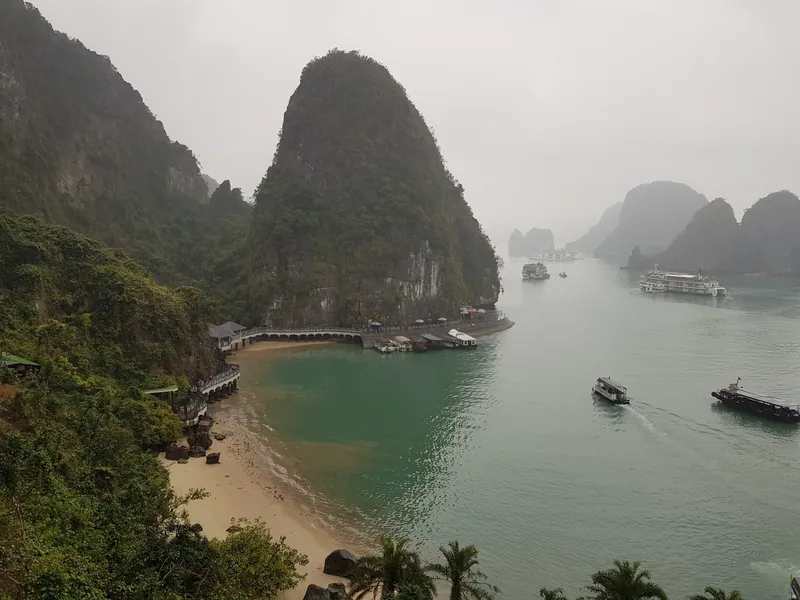
The bays · Ha Long Bay
Ha Long Bay
The central bay: official routes, the main caves, hours needed, seasons, fixed fees and when to skip it.
Read more
The bays · Lan Ha Bay
Lan Ha Bay
The bay beside Cat Ba: beaches, kayaking status, getting there, seasons, costs and when to skip it.
Read more
The bays
The bays
How Ha Long Bay, Lan Ha Bay, Bai Tu Long Bay and Ha Long city fit together, side by side.
Read more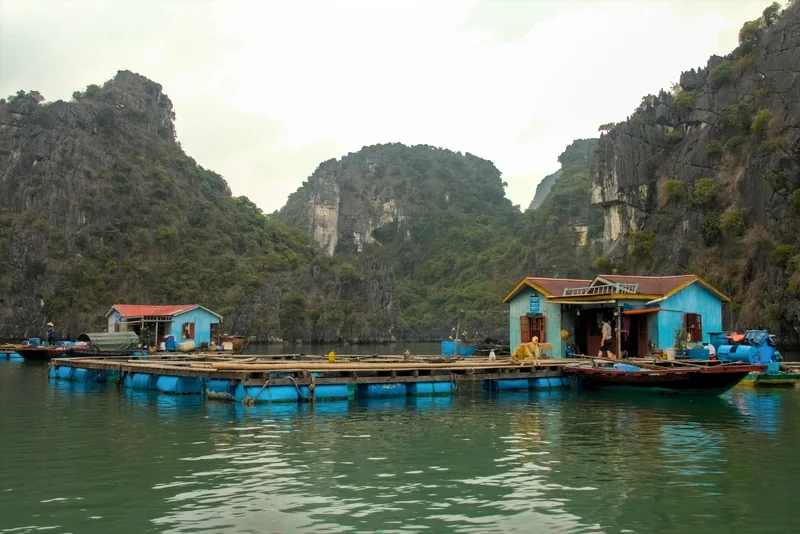
Start planning
Send a correction or a question
Tell us which page you mean, what you found, and when. A link to an official notice or a photo of a ticket helps us check it quickly.